Why Is Dehydration More Dangerous Than Most People Realise?
- Jun 04, 2026
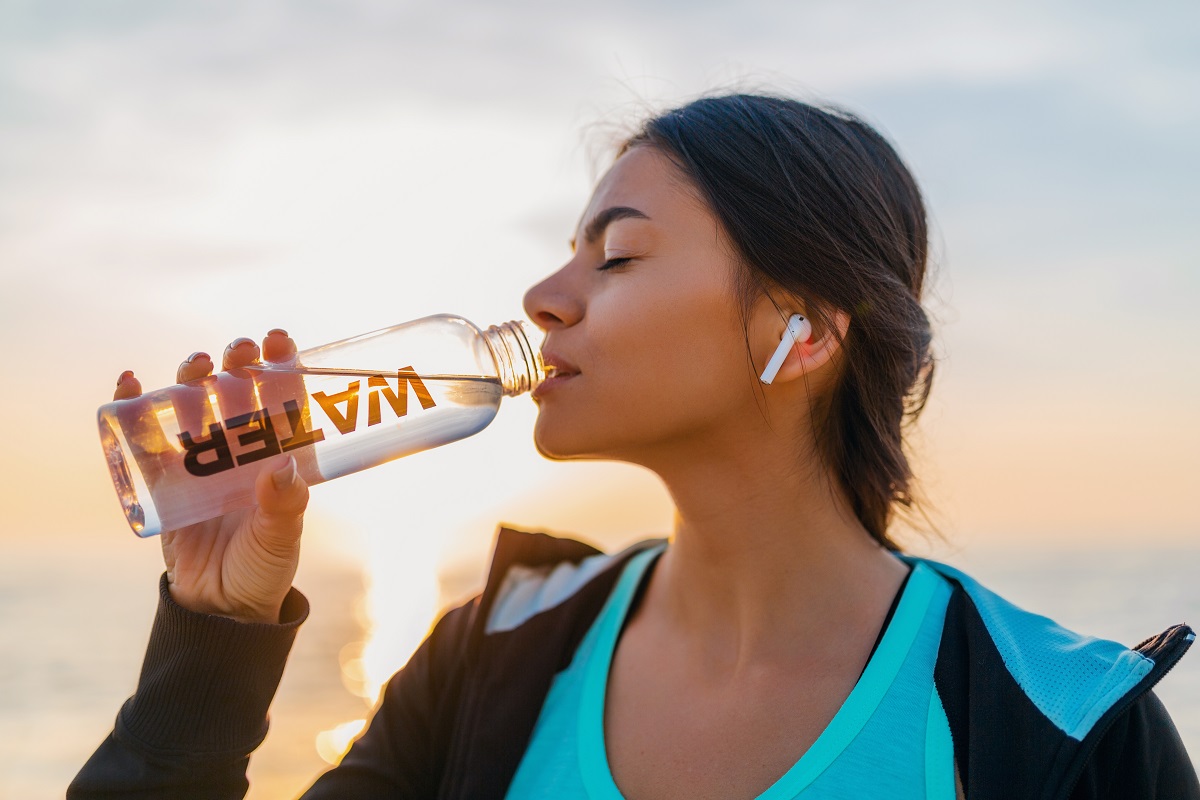
Dehydration is often treated as a minor problem. People associate dehydration with simply feeling thirsty after a workout or spending too much time in the sun. But dehydration can be far more serious than most people realise.
Water is crucial for several important functions in the body. It regulates temperature, maintains blood circulation, supports digestion, protects organs, and keeps the brain functioning properly. When fluid loss is more than fluid intake, these processes can get disrupted.
Most cases of mild dehydration can be corrected by replacing lost fluids. But we need to recognize the warning signs before dehydration becomes severe.
What Is Dehydration?
Dehydration occurs when the body does not have enough fluid to function normally. This can happen due to many reasons:
- Not drinking enough water.
- Losing excessive amounts of water through sweating, vomiting, diarrhoea or frequent urination.
- Hot weather and physical activity.
- Illnesses that cause water loss like cholera, typhoid and more.
- Certain medications affecting the body's fluid balance.
Early Signs of Dehydration We Should Not Ignore
Recognising dehydration early can help prevent it from becoming more serious.
Common signs include:
- Increased thirst
- Dry mouth or lips
- Dark yellow urine
- Urinating less frequently
- Tiredness or weakness
- Headache
- Dizziness or light-headedness
- Difficulty concentrating
These symptoms can sometimes be mistaken for lack of sleep, stress or simply having a busy day. Always consider dehydration, especially if more than one symptom is present.
How Dehydration Affects the Brain
- The brain depends on adequate hydration to function properly.
- Even relatively mild fluid loss may affect how we feel and perform mentally.
- Dehydration can be associated with headaches, fatigue, difficulty concentrating, and changes in mood.
- As dehydration becomes more severe, confusion and altered mental status can develop.
- This is particularly concerning in older adults and young children, who may not always communicate thirst clearly.
- A sudden change in alertness or behaviour should never be dismissed as simply being tired.
Dehydration’s Effects on Heart and Circulation
- One of the less obvious effects of dehydration is its effect on circulation.
- When the body loses fluid, the amount of blood circulating through the cardiovascular system can fall.
- The heart may then need to work harder to maintain adequate circulation.
- This can contribute to a faster heartbeat, weakness, and dizziness.
- Blood pressure may also drop, particularly when we stand up quickly.
- In severe cases, dehydration can contribute to fainting and other complications.
Dehydration and Heat-Related Illness
- In hot weather, the body relies on sweating to help regulate its temperature.
- Heavy sweating causes the body to lose fluids, and if those fluids are not replaced, dehydration can develop.
- If dehydration worsens, the body may become less able to cool itself effectively, increasing the risk of heat-related illness.
- Heat-related illness refers to conditions that occur when the body becomes overheated and cannot cool itself effectively.
- One form of heat-related illness is heat exhaustion, which may cause heavy sweating, weakness, dizziness, nausea, and headache.
- If heat-related illness progresses to heatstroke, it can become a life-threatening emergency.
- At the first signs of heat-related illness, moving to a cooler environment, stopping strenuous activity, and replacing lost fluids can help prevent the condition from worsening.
- Severe or worsening symptoms require urgent medical attention.
Who Is at Greater Risk?
Although anyone can become dehydrated, certain people may be more vulnerable.
- Young children can lose fluids quickly, particularly during vomiting or diarrhoea.
- Older adults may have a reduced sense of thirst or may not consume enough fluids regularly.
- People exercising or working outdoors in hot conditions can lose substantial amounts of water through sweating.
- Individuals experiencing fever, vomiting or diarrhoea are also at increased risk.
- People with certain medical conditions or those taking medications that affect fluid balance may need specific advice from a healthcare professional about hydration.
How Much Water Do We Need?
There is no universal amount of water that a person must drink every day. Fluid requirements vary depending on factors such as age, body size, physical activity, climate, diet, and health status. Rather than focusing on an arbitrary target, we have to pay attention to the body's signals and circumstances.
- Our needs may increase when we exercise or spend time in hot and humid conditions.
- If sweating is excessive or there is fluid loss due to an illness, we may need to hydrate more than we normally do.
- At the same time, drinking excessive amounts of water is not necessarily beneficial.
- Hydration is about maintaining an appropriate fluid balance, not simply drinking as much as possible.
When to Seek Medical Help
Mild dehydration can often improve when lost fluids are replaced. However, severe dehydration can be a medical emergency.
- Get medical help if the following symptoms appear: disorientation, fainting, extreme fatigue, inability to keep fluids down, decreased or no urination, or signs of serious heat-related illness.
- Babies, young children, older adults, and people with significant medical conditions may be at greater risk of complications from dehydration and may require prompt medical attention.
Preventing Dehydration
Prevention is generally easier than dealing with severe dehydration.
- Drink fluids regularly throughout the day and increase intake appropriately when exercising or spending time in hot conditions. Keep water available when travelling or working outdoors.
- During illnesses involving vomiting or diarrhoea, replacing lost fluids is especially important. In some cases, oral rehydration solutions may be recommended because they provide both fluids and electrolytes.
- Do remember that hydration is not just about carrying a water bottle. It’s also about noticing when we’re losing more fluids than usual and responding early.
In Conclusion
Dehydration is easy to underestimate because its early symptoms can seem harmless. But water is fundamental to various body functions. Knowing the early signs can help us respond before the situation becomes serious.
The key message is simple: don't wait for dehydration to become severe before taking it seriously.
Frequently Asked Questions
What are the early signs of dehydration?
Common early signs include increased thirst, dry mouth, dark yellow urine, reduced urination, tiredness, headache, dizziness and difficulty concentrating. Recognising these symptoms early can help prevent dehydration from becoming severe.
How does dehydration affect the body?
Dehydration can affect several body systems because adequate fluid is needed for circulation, temperature regulation, digestion and brain function. As dehydration worsens, it can cause dizziness, low blood pressure, confusion and other serious complications.
Can dehydration affect the brain and concentration?
Yes. Even relatively mild dehydration may be associated with headache, tiredness, difficulty concentrating and changes in mood. Severe dehydration can cause confusion or altered alertness and requires prompt medical attention.
When does dehydration become dangerous?
Dehydration becomes particularly concerning when there is fainting, confusion, extreme weakness, very little or no urination, inability to keep fluids down, or signs of serious heat-related illness. These symptoms warrant urgent medical assessment.
Who is most at risk of dehydration?
Young children, older adults, people with vomiting or diarrhoea, and those exercising or working in hot conditions are more vulnerable. People with certain health conditions or taking medications that affect fluid balance may also need personalised hydration advice.
How much water should you drink to prevent dehydration?
There is no single amount that suits everyone. Fluid needs depend on factors such as age, body size, activity, climate and health, and usually increase with sweating, exercise or illness.
What is the best way to prevent dehydration during hot weather or illness?
Drink fluids regularly and increase intake when exercising or spending time in hot conditions. When vomiting or diarrhoea causes significant fluid loss, an oral rehydration solution may be recommended because it replaces both fluids and electrolytes.