Microplastics and Hormonal Health
- May 21, 2026
What Are Microplastics and Nano plastics?
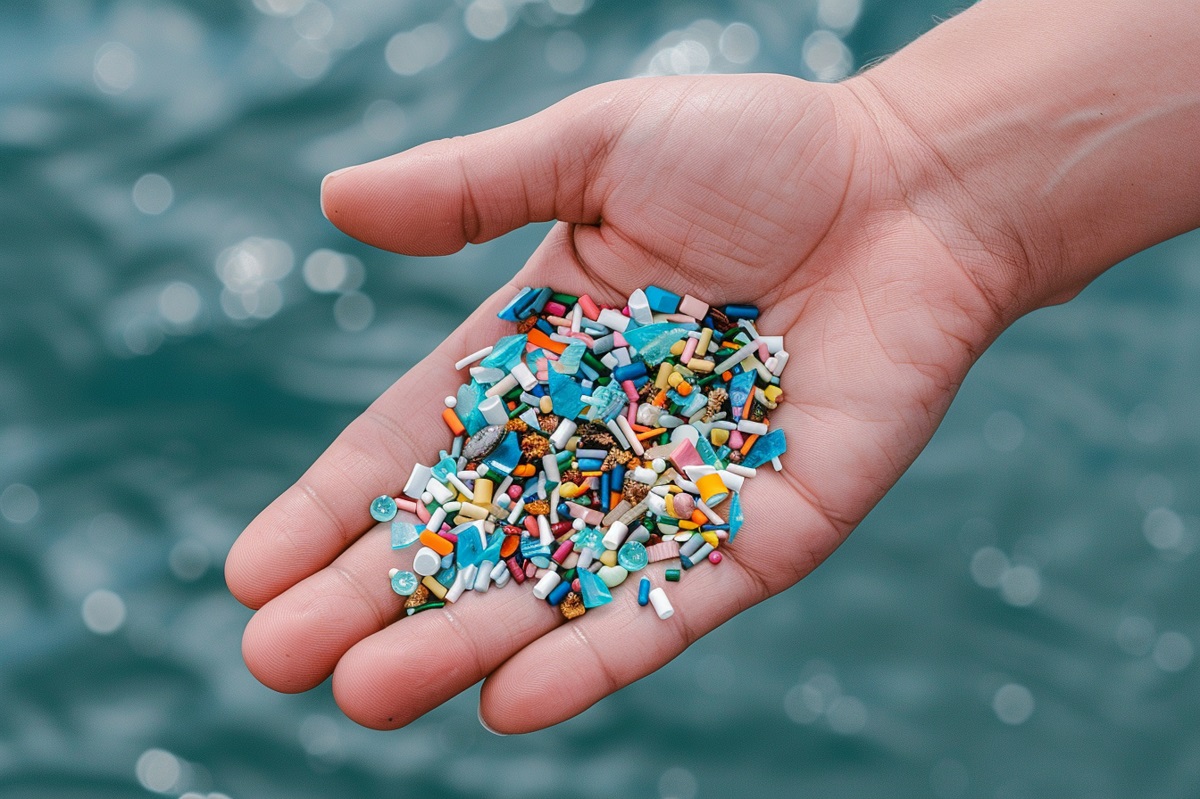
Microplastics and nano plastics are extremely small plastic particles that can enter the environment, and potentially the human body, through food, water and air.
- Microplastics are generally defined as plastic particles smaller than 5 millimetres. They can range from particles visible to the naked eye to microscopic fragments.
- Nano plastics are even smaller, generally less than 1 micrometre (1,000 nanometres) in size. Because of their tiny size, they may behave differently from larger microplastics and can potentially interact more closely with cells and tissues.
Where Do Microplastics Come From?
Some microplastics are intentionally manufactured as tiny plastic particles for industrial use, while others are created when larger plastic items break down because of sunlight, heat, friction, and weathering. Common sources include:
- Plastic food and beverage packaging
- Synthetic clothing fibres released during washing
- Degradation of plastic products
- Vehicle tire wear
- Personal-care and household products
As plastics continue to break down, some particles can become progressively smaller, potentially reaching the nanoscale.
How Do Microplastics Enter the Body?
We can be exposed to microplastics mainly by eating, drinking, and breathing. They may be present in food and drinking water, as well as in household dust and airborne particles. Once inside the body, researchers are investigating how these particles may interact with different organs and tissues.
The Possible Effects of Microplastics on the Endocrine System and Hormonal Health
The endocrine system is a network of glands, including the thyroid, pituitary, adrenal glands, ovaries, and testes, that produce and release hormones into the bloodstream. These hormones act as chemical messengers, coordinating different processes throughout the body. Hormonal health refers to maintaining a proper balance of hormones that regulate essential functions such as metabolism, growth, reproduction, mood, sleep, and stress responses.
Microplastics may affect hormonal health in several ways:
- Endocrine Disruption: Plastics and their associated chemicals can mimic, block, or alter normal hormone signalling pathways.
- Reproductive and Developmental Impacts: Animal and lab data link exposure to fluctuations in estrogen, progesterone, and testosterone, which can impair testicular and ovarian function and potentially influence broader developmental milestones like puberty.
- Cellular Stress and Inflammation: Microplastics can induce oxidative stress and inflammatory responses that damage the cellular structures responsible for manufacturing and regulating hormones.
- Thyroid Regulation: Emerging research suggests potential interference with thyroid hormones and the hypothalamic–pituitary–thyroid (HPT) axis.
However, it is important to note that much of this evidence comes from laboratory and animal studies. While the findings are concerning, the extent to which everyday microplastic exposure causes hormonal problems in humans is not yet fully established.
How to Reduce Exposure to Microplastics
While it is difficult to avoid microplastics completely, we can reduce everyday exposure with a few practical steps:
- Use glass, stainless steel, or ceramic containers instead of plastic when practical.
- Avoid heating food in plastic containers in microwaves; transfer food to glass or ceramic.
- Drink filtered tap water as filtration can reduce some plastic particles.
- Reduce single-use plastics, such as disposable bottles, cups, and food packaging.
- Choose fresh or minimally packaged foods when possible.
- Wash synthetic clothes carefully and consider reducing the use of synthetic textiles, which can release plastic fibres.
- Keep indoor spaces clean and well-ventilated, since household dust can contain microplastic fibres.
- Don't reuse disposable plastic containers beyond their intended use.
These steps can help lower exposure, but they cannot eliminate it completely. Research is still developing on how much everyday exposure is harmful to human health.
What Researchers Still Don’t Know
Scientists are still learning how microplastics may affect our hormones and overall health. Some key questions remain:
- Which particles are most harmful?
Smaller particles, especially nano plastics, may behave differently in the body, but researchers don't yet know which sizes pose the greatest risk.
- How much exposure is too much?
We are exposed to microplastics regularly, but there is no clear level known to cause harm.
- Which plastics and chemicals are most concerning?
Different plastics contain different additives, and some may interfere with hormones.
- What happens with long-term exposure?
The effects of being exposed to small amounts over many years are still unclear.
- Who may be more vulnerable?
Children, pregnant women, and developing babies may be more sensitive, but more research is needed.
- Do animal studies apply to humans?
Scientists do not yet know how accurately high-dose animal findings reflect the real-world, low-dose impacts of complex microplastic mixtures on human biology.
In short, microplastics are a growing health concern, but researchers are still determining exactly how much exposure is harmful and what it means for human hormonal health.
Microplastics and Hormones: Should We Be Concerned?
- Microplastics are being increasingly recognized as a potential environmental health concern.
- Hormonal and reproductive systems are important areas of investigation.
- Current evidence warrants attention, not panic.
- Reducing unnecessary exposure is reasonable while research continues.
Frequently Asked Questions
Can microplastics affect hormonal health?
Research suggests that microplastics and chemicals associated with plastics may interfere with hormone signalling and the endocrine system. However, much of the current evidence comes from laboratory and animal studies, and the impact of everyday exposure on humans is still being investigated.
How do microplastics enter the human body?
Microplastics can enter the body mainly through food, drinking water and inhalation. They may also be present in household dust and airborne particles, although researchers are still studying how different particles behave once they enter the body.
Can microplastics affect fertility or reproductive health?
Microplastics are being investigated for possible effects on reproductive health, including changes in hormone activity and ovarian or testicular function. Current evidence is concerning but does not yet establish how much everyday exposure contributes to fertility problems in humans.
Can microplastics affect thyroid hormones?
Emerging research suggests that microplastics and plastic-associated chemicals may interfere with thyroid hormone regulation. However, more human research is needed before a direct link between typical environmental exposure and thyroid disorders can be established.
How can I reduce my exposure to microplastics?
You can reduce unnecessary exposure by avoiding heating food in plastic, using glass or stainless-steel containers when practical, reducing single-use plastics, and choosing fresh or minimally packaged foods. These measures can lower exposure but cannot eliminate it completely.
Are microplastics dangerous to humans?
Microplastics are an important emerging health concern, but the full health risks in humans are not yet known. Researchers are studying potential effects on inflammation, hormones, reproduction and other biological systems, so current evidence supports reducing unnecessary exposure without causing unnecessary alarm.
Are nano plastics more concerning than microplastics?
Nano plastics are much smaller than microplastics and may interact more closely with cells and tissues. Scientists are investigating whether their size makes them more biologically active, but there is not yet enough evidence to determine exactly how much risk they pose to human hormonal health.