Nutrition, Mobility and Mental Health: The Three Pillars of Healthy Ageing
- Jun 10, 2026
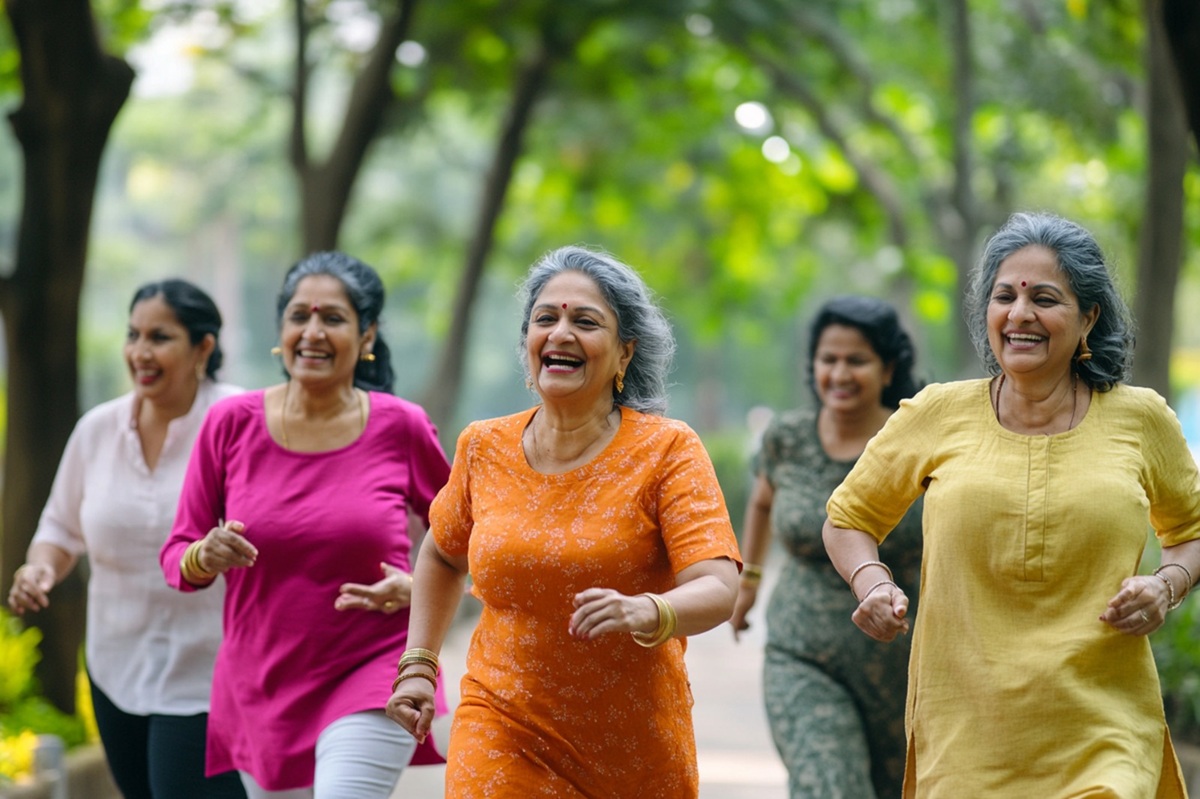
According to the World Health Organization, healthy ageing is about developing and maintaining the functional ability that allows people to live well as they grow older. Functional ability refers to the capacity to do the things that matter most to an individual.
In simple terms, healthy ageing means preserving physical, mental, and social well-being to support independence, dignity, and a fulfilling quality of life.
Longevity without Health
Life expectancy in India now stands at approximately 71 years; this represents a significant shift from around 62 years in 2010. However, there is one disturbing fact in this positive statistic. As people age, they suffer a significant decline in health: more than 75% of our elderly population is afflicted with long-term, non-communicable diseases. As a result, many of the years gained are spent living withchronic illnesses and functional disabilities.
This raises a key question: What is the value of an increased lifespan if it is not lived well?
Ensuring healthy and happy ageing is in our hands. By focusing on a nutritious diet, regularphysical activity, and cognitive health, we can make sure that the years gained are lived with vitality and purpose.
Pillar 1: Nutrition
Nutrition provides the foundation for ageing well, impacting both mobility and mental health.Without healthy food, neither physical nor mental well-being is possible.
Although healthy eatingand a balanced diet are widely recognized as essential for good health, what is often overlooked is that as people age the body undergoes some physiological changes. The body’s calorie requirements lessen while the need for essential nutrients increases.Hence, the focus must shift to adequate intake of protein, calcium, fibre, and other key vitamins and minerals to support bone and muscle strength, digestion, immunity, and overall quality of life.
-
Protein:
- According to health experts, older adults should ideally consume 1 to 1.2 g of protein per kg of body weight daily.
- This is essential for muscle preservation (preventing sarcopenia), bone health, and supporting immunity and healing.
- Food options include lean meat, fish, dairy, eggs, lentils, soy products, chickpeas, and almonds.
-
Calcium:
- The crucial role calcium plays in keeping bones strong and teeth healthy is well-known. However, its importance extends beyond skeletal health.
- Calcium also helps with muscle movement, blood circulation, and the transmission of nerve signals throughout the body.
- As people age, adequate calcium intake becomes increasingly important to help preserve bone density, reduce the risk of osteoporosis and fractures, and support overall physical function.
- 1000-1200 mg of calcium is the daily recommendation.
-
Fibre:
- Fibre is especially important for older adults as itprevents constipation, supports a healthy gut microbiome, and helps reduce the risk of chronic conditions like heart disease and type 2 diabetes bysupporting healthy cholesterol levels and blood sugar regulation.
- The recommended daily intake is approximately 28 g of fibre for men and 22.4 g of fibre for women.
- Fibre-rich food sources include fresh fruits and vegetables, legumes, and whole grains.
-
Vitamins and Minerals:
- Vitamins C, D and B12 along with minerals like magnesium and zinc are of particular importance to older adults as they help maintain immunity, support bone and muscle health, protect nerve function, aid energy production, and contribute to overall well-being.
- As requirements for vitamins and minerals vary depending on age, gender, and health status, it is best to consult a healthcare professional to determine individual needs.
Pillar 2: Mobility
Mobility is crucial for independence among older adults.It also reduces the risk of falls and chronic health conditions, while supporting social interactions and cognitive functions.
In practical terms, this translates to the elderly having the ability to remain in their own homes, go out when they choose, manage daily responsibilities such as their finances, and maintain independence without reliance on others.
Effective Strategies for Maintaining Mobility -H2
A combination of aerobic, strength training, and balance exercises is ideal.
- Aerobic Activity: Low-impact activities like brisk walking, stationary cycling, and swimming can improve cardiovascular fitness without stressing the joints.
- Strength Training: Exercises using light weights and resistance bands, or just using the person’s own body weight can help maintain bone density and rebuild muscle mass without damaging joints.
- Flexibility and Balance: Recommended for navigating uneven surfaces safely and improving posture, exercises like yoga and tai chi can be combined with gentle stretching to prevent falls and effectively reduce any joint stiffness.
150 minutes of moderate-intensity exercises for a week is usually recommended. However, it is always better to consult a healthcare provider before starting or modifying exercise routines.
Pillar 3: Mental Health
Mental health plays a crucial role in determining how people age. When people have sound mental faculties, they are able to maintain independence, work productively, sustain relationships, cope with various life stressors, and have a meaningful life.
Protecting and Promoting Mental Health
- Stimulate the Brain: As we age, keeping the brain mentally active is essential for preserving cognitive function. Learning something new, solving puzzles, reading, and participating in enjoyable hobbies can not only engage the brain and improve problem-solving abilities, but can also bring happiness and a sense of fulfillment.
- Stay Socially Connected:Nurturing relationships becomes especially important as people age. Having a wide social circle not only reduces loneliness, but also lowers the risk of depression and other mental health conditions.
- Practice Stress-Relieving Techniques: Meditation, mindfulness, deep breathing, and other relaxation techniques to handle stress can promote a sense of calm and improve emotional resilience. Regular practice also promotes better sleep and contributes to a positive outlook on life.
Bringing It All Together
The three pillars of healthy ageing are deeply interconnected, with each reinforcing the others.
- Good nutrition provides the energy and essential nutrients needed to support physical activity, and preserve mobility.
- Mobility, in turn, promotes independence, enhances quality of life, and improves mental well-being.
- Good mental health helps individuals stay motivated to make healthy food choices, remain physically active, and engage socially.
Together, nutrition, mobility, and mental health form the foundation of healthy ageing, enabling people to live longer, healthier, and more fulfilling lives.
Frequently Asked Questions
What are the three pillars of healthy ageing?
The three key pillars are nutrition, mobility and mental health. Together, they help older adults maintain physical strength, cognitive well-being, independence and a better quality of life as they age.
Why is nutrition important for healthy ageing?
Good nutrition provides the protein, calcium, fibre, vitamins and minerals needed to maintain muscle and bone strength, immunity, digestion and overall health. Nutritional needs can change with age, so a balanced diet becomes increasingly important.
How does regular exercise help older adults stay independent?
Regular physical activity helps maintain muscle strength, balance, flexibility and cardiovascular fitness. Walking, strength exercises and balance activities can support mobility, reduce fall risk and make everyday activities easier to manage independently.
What exercises are best for healthy ageing?
A combination of aerobic, strength, flexibility and balance exercises can support healthy ageing. Walking, swimming, resistance-band exercises, gentle stretching, yoga and tai chi are examples, but exercise should be adapted to an individual's abilities and health conditions.
How can older adults protect their mental health?
Staying mentally active, maintaining social connections and using stress-management techniques can support emotional and cognitive well-being. Reading, learning new skills, hobbies, meditation and regular social interaction can all contribute to healthy ageing.
How are nutrition, mobility and mental health connected in healthy ageing?
These three areas reinforce one another. Good nutrition supports the energy and nutrients needed for movement, physical activity can improve mood and independence, and good mental health can help older adults stay motivated to eat well, exercise and remain socially active.
How can older adults maintain a healthy and independent life as they age?
A combination of nutritious eating, regular physical activity, mental stimulation, social connection and appropriate healthcare can help preserve functional ability and independence. Individual goals should be adjusted based on age, fitness level and health needs.