Addressing Road Traffic Accidents
- Dec 31, 2025
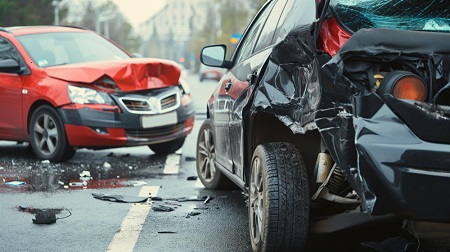
First, the Facts
According to the World Health Organization, the global statistics on road traffic accidents are as follows:
- The fatalities from road traffic accidents yearly are 1.19 million.
- The majority of road traffic accident victims fall in the age group of 5-29 years.
- Low and middle-income countries contribute to 60% of the global traffic, but 92% of the victims are from these countries.
- Vulnerable road users (those who have no protection from impact like pedestrians, cyclists, etc.) form half the victims.
- Road traffic accidents cause substantial emotional suffering and financial loss as well with countries’ gross domestic product (GDP) reducing by 3%.
Beyond the Facts: Understanding the Repercussions
- As already mentioned, 1.19 million people lose their lives in road traffic accidents. Further, 20-50 million people suffer injuries with many of them sustaining permanent disabilities.
- Survivors may be affected psychologically with many people reporting post-traumatic stress disorder (PTSD), anxiety, etc.
- Families may carry the emotional effects of these accidents with them lifelong.
- The financial impact too can be devastating:
- When victims suffer disabilities, their ability to contribute financially may be reduced.
- Family members inevitably become the primary caregivers – as a result, their financial productivity too could get affected.
- The cost of treatments adds to the burden.
- If the issue takes a legal turn, legal expenses too will have to be met.
- Vehicle/property damage repair may further contribute to the expenditure.
Demographics at High Risk
Analysis of statistics puts the following groups at increased risk of road traffic accidents:
- Gender: Men are more at risk than women with the WHO stating that their risk is thrice that of women.
- Age Group: In India, working professionals in the age group of 18-59 years form 2/3rd of the victims.
- Socioeconomic Standing: Low and middle-income nations suffer more fatalities, but even in high-income countries, those belonging to a lower socioeconomic background are more at risk.
Road Traffic Accidents: Contributing Factors
There are a number of factors that result in road traffic accidents.
Speeding:
The adverse effects of speeding cannot be overstated. Here are the facts:
- Every 1% increase in average speed increases the possibility of a fatal accident by 4% and a serious accident by 3%.
- A car travelling at a speed of 65 km/h increases the death risk for pedestrians by 4.5 times compared to a car moving at 50 km/h.
- In collisions involving two cars, the risk of fatality is 85% if the cars are moving at speeds of 65 km/h.
Unsafe Road Infrastructure:
- Road design plays a huge role in minimizing accidents.
- Roads should be designed keeping in mind pedestrians, cyclists and vulnerable people (children and elderly).
- This means making sure there are wide sidewalks so that pedestrians do not have to walk on the roads, a path for cyclists which will keep them away from heavy vehicles, and safe crossing points including enough pedestrian crossings, overbridges, etc.
Driving Under the Influence of Alcohol and Drugs
- Both alcohol and drugs increase the risk of road traffic accidents by numbing the senses and reducing reflexes.
- Even low levels of alcohol in the blood are enough to increase accident risk.
- When the blood alcohol level (BAC) is 0.5 g/l, the risk doubles and with BAC at 0.8 g/l, the risk increases 5 times. The risk increases further with young or inexperienced drivers.
- With drugs too the risk level increases with the increase being dependent on the specific drug consumed.
- A combination of alcohol and drugs is the worst-case scenario with concentration, reflex and perception reducing significantly while driving.
Neglecting Safety Gear
- The non-use of helmets, seat belts and child restraints all increase both fatality and injury risk.
- Helmets are often dispensed with due to various reasons but none of the reasons can justify non-helmet use.
- Data shows that when people wear helmets, their risk of death in accidents reduces by more than 6 times; the risk of brain injury reduces by 74%.
- Seat belt usage too is non-negotiable, as is using child restraints.
- People who wear seatbelts reduce their risk of death by 50%, while use of child restraints can reduce the risk to small children by 74%.
Mobile Phone Usage
- This is a huge safety concern in recent times as using mobile phones while driving is a major distraction which increases risk of an accident by 4 times.
- When a person is driving and using his mobile phone, his reaction time is severely impaired.
- This means it takes longer to apply brakes and also to respond to traffic signal changes.
- Further, lane discipline is also affected as is maintaining sufficient distance from surrounding vehicles.
Non-Enforcement of Traffic Rules
- Strict enforcement of rules can significantly reduce accidents.
- While India does have laws regarding road safety, their implementation remains poor.
- We have laws that mandate fines for not wearing helmets, seat belts and child restraints – but none of these regulations are imposed, except occasionally.
- Jumping signals, wrong side driving, riding triples on motorcycles, etc. must be dealt with zero tolerance.
- The traffic police has to be strict about enforcing these rules so that citizens understand that they cannot get away with non-compliance.
- Effective enforcement also means updating these laws regularly and making sure they are implemented across the country, not just in the metros and main cities. Only then will our people truly embrace a culture of road safety.
Delayed Care After Accidents
- It is imperative that people involved in road traffic accidents get timely care as this can make the difference between life and death.
- The care rendered to people at the time of the accident and during their transport to the hospital is crucial.
- Strengthening pre-hospital care throughout the country can save many lives.
In Conclusion
We need to embrace a safe systems approach to effectively handle road traffic accidents. By safe systems we mean understanding people’s vulnerabilities and designing a system that allows human errors. This includes safe roads, safe sidewalks, speed limits and responsible road users.
Prevention of road traffic accidents involves a concerted effort from all – the government, the departments of transport, police, health and education, and the people. When we all join hands, we can look at a future that is bright, with safe journeys for everyone.
Frequently Asked Question
1. What Are the Main Causes of Road Traffic Accidents?
The leading causes include speeding, drunk driving, mobile phone distraction, unsafe road design, not wearing helmets or seat belts, and poor enforcement of traffic rules. Even a small increase in speed significantly raises the risk of fatal crashes.
2. Who Is Most at Risk of Road Traffic Accidents?
Men are three times more likely to be involved in fatal accidents. Young people aged 5 to 29 years are highly vulnerable globally. In India, working professionals aged 18 to 59 form a large share of victims. Pedestrians and cyclists also face high risk due to lack of protection.
3. How Serious Is the Global Impact of Road Accidents?
According to the World Health Organization, around 1.19 million people die every year due to road accidents. Additionally, 20 to 50 million people suffer injuries, many resulting in permanent disabilities. Countries also lose about 3 percent of their GDP due to accident-related costs.
4. Why Is Immediate Medical Care Important After an Accident?
Timely emergency care can mean the difference between life and death. Proper first aid, quick ambulance transport, and strong pre-hospital trauma systems significantly improve survival rates and reduce long-term complications.
5. How Do Helmets and Seat Belts Reduce Fatalities?
Wearing a helmet reduces the risk of death by more than six times and lowers brain injury risk by 74 percent. Seat belts cut the risk of death by 50 percent, and child restraints reduce fatal injury risk in children by up to 74 percent.
6. Does Using a Mobile Phone While Driving Really Increase Risk?
Yes. Mobile phone use while driving increases crash risk by four times. It delays reaction time, affects braking speed, reduces lane control, and increases chances of signal violations.