What Are Mind-Body Interventions?
Overview:
Mind-body interventions have gained a lot of prominence in the last two decades. The blog explains the many benefits these interventions offer.
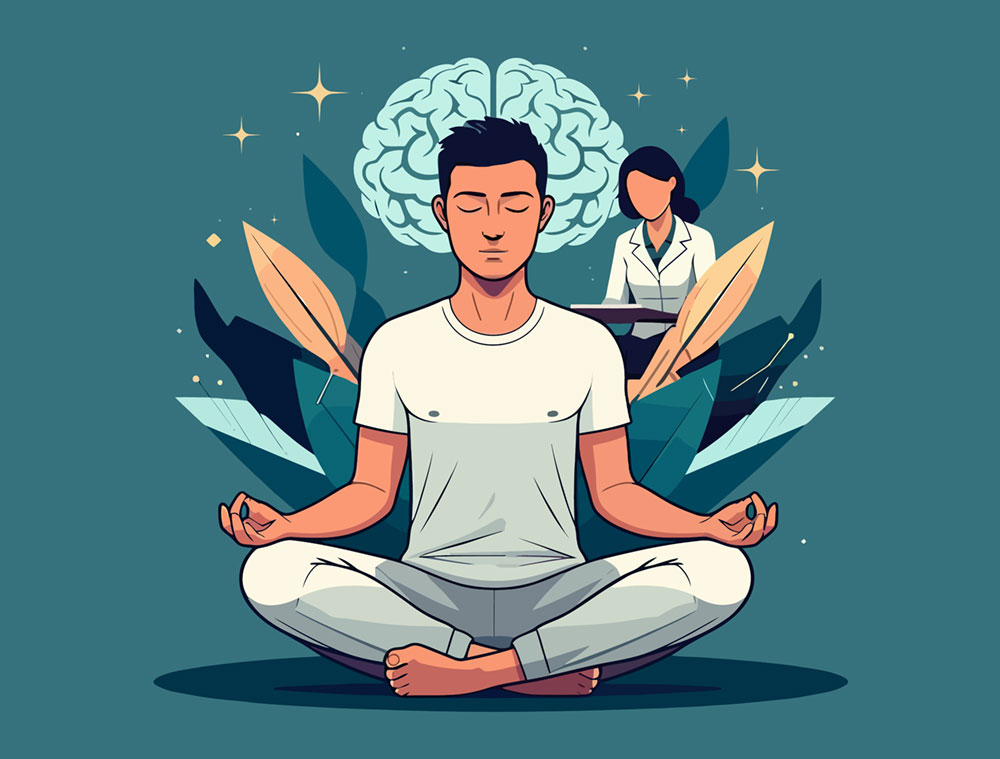
Mind-body interventions refer to a set of techniques that use the interrelationship between the body, the mind and the brain for the betterment of physical and psychological health. In other words, they leverage the power of the mind to positively influence physical and mental health.
Mind-body interventions have gained prominence in the last 2 decades due to their pronounced beneficial effects. Yoga, tai chi, meditation, breathing techniques, biofeedback, cognitive behavioural therapy, etc. are all examples of mind-body interventions.
Mind-body interventions are generally considered safe complementary medical practices as the risk of adverse physical or mental effects on the patients is minimal. Scientific interest in mind-body interventions has grown considerably after their potential to enhance physical and mental well-being has become clear.
The Science Behind Mind-Body Interventions
These techniques work by stimulating the relaxation response of the body. The relaxation response works against the stress response (fight or flight) and mitigates the harmful effects of the stress response.
The term relaxation response was first coined by Dr Herbert Benson to describe a state of calmness and increased parasympathetic nervous system activity. It is a natural and self-regulating response that induces a sense of wellness. When we regularly stimulate the relaxation response, it gives a number of benefits:
- Decrease in physical anxiety (increased heartbeat, sweating, breathlessness, etc.) and mental anxiety
- Enhanced mood
- Decrease in anger and other hostile responses
- Better sleep and mental stability
- Increased energy levels
- Weight management
- Enhanced immunity
- Better productivity
Commonly Practiced Mind-Body Interventions
Movement-Based Practices: These focus on purposeful movement to improve cognitive faculties, mood, physical well-being and overall wellness. These include:
- Yoga: With its origins in India, yoga has now been embraced globally due to its holistic health benefits. At its core, yoga uses asanas (specific postures), mindful breathing and meditation to achieve a balance between the mind and the body.
- Tai Chi: Initially an ancient Chinese martial arts form, tai chi involves performing slow, fluid movements while concentrating on breathwork to improve physical and mental wellness. As tai chi involves low-impact and slow movements, it is suitable for older adults and people with chronic conditions.
- Dance Therapy: As the name implies, dance movement therapy uses dance movements to express emotions. People who are not comfortable expressing their emotions verbally have been shown to benefit from dance therapy as it allows them to express emotions as well as to develop coping mechanisms to come to terms with emotional conflict. Interestingly, dance therapists use dance movements to both assess as well as to design interventions to enhance physical and emotional integration.
Mental & Relaxation Processes: These are practices that focus on the mind to promote feelings of tranquility.
- Breathing Exercises: There are many forms of breathing exercises (alternate nostril breathing, resonant breathing, etc.) all of which serve to promote relaxation.
- Meditation: Meditation is something we are all familiar with – it usually takes up one of the two forms:
- Focusing attention on the breath or a particular thought.
- Observing the flow of thoughts without engaging in them.
- Guided Imagery: Also called as visualization, this involves envisioning positive and peaceful settings to bring about a feeling of calmness.
- Hypnosis: Performed by certified hypnotherapists, hypnosis is a state of increased concentration which facilitates acceptance of positive changes.
Cognitive Approaches: These practices stress on the effects thoughts and feelings have on physical health.
- Cognitive Behaviour Therapy: Popularly known as CBT, this approach focuses on changing negative thoughts which have been shown by various studies to have a negative impact on physical health. CBT has been successful in addressing chronic pain, fatigue, sleeplessness, etc.
- Mindfulness: This is the practice of being present in the moment – not thinking about the past, or worrying about the future. In the practice of mindfulness, people are encouraged to be aware of their body and their surroundings, and to watch their thoughts without engaging in them and without judgment.
Proven Benefits of Mind-Body Interventions
There are numerous studies evidencing the many benefits of mind-body interventions. As a result, healthcare leaders and providers advocate using these mind-body interventions to complement conventional medical treatments.
Physical Benefits
- When a person is stressed, it affects his/her physical health.
- The effects can range from increased blood pressure, muscle tension and fatigue to digestive disorders and frequent illnesses due to a compromised immune system.
- Frequent headaches, weight gain and insomnia have also been associated with increased stress levels.
- Stress also plays a role in worsening existing health conditions.
- Mind-body interventions can play a key role in reducing stress levels and mitigating the harmful effects of stress.
- Research shows that by reducing cortisol levels, mind-body interventions reduce stress and inflammation in the body and promote body rejuvenation.
Psychological Benefits
- Mind-body interventions have been shown to not only reduce stress but also to promote resilience and improve a person’s ability to handle stress.
- They promote awareness of one’s feelings thereby allowing the individual to self-regulate negative emotions.
- Reduction in anxiety and a potential reduction in symptoms of depression have also been reported.
Putting Mind-Body Interventions into Practice
- Patients with health conditions who are considering mind-body interventions are advised to get their doctor’s opinion before starting.
- It would be ideal to look for instructors who are qualified and experienced for guidance.
- It is also essential to remember that mind-body interventions are to be used as complementary practices to conventional care, and not as a replacement for professional medical care.
Frequently Asked Questions
1. What are mind-body interventions and why are they important?
Mind-body interventions are holistic practices like yoga, meditation, and mindfulness that connect mental and physical health to reduce stress and improve overall well-being.
2. How do mind-body techniques help manage stress and anxiety?
They calm the nervous system, lower stress hormones, and promote relaxation, helping you feel more focused and emotionally balanced.
3. What are the most effective types of mind-body practices?
Yoga, tai chi, meditation, guided imagery, and deep-breathing exercises are among the most effective for improving both mental and physical health.
4. Can mind-body interventions improve physical conditions too?
Yes. Regular practice can lower blood pressure, ease chronic pain, and boost immunity, supporting better physical health.
5. Who should try mind-body interventions?
Anyone seeking natural ways to manage stress, anxiety, or fatigue can benefit. They’re suitable for all ages and fitness levels.
6. Are these interventions scientifically supported?
Yes. Research confirms that mind-body therapies improve emotional resilience, reduce stress markers, and support long-term wellness.