Understanding Workplace Anxiety
- May 14, 2025
Overview:
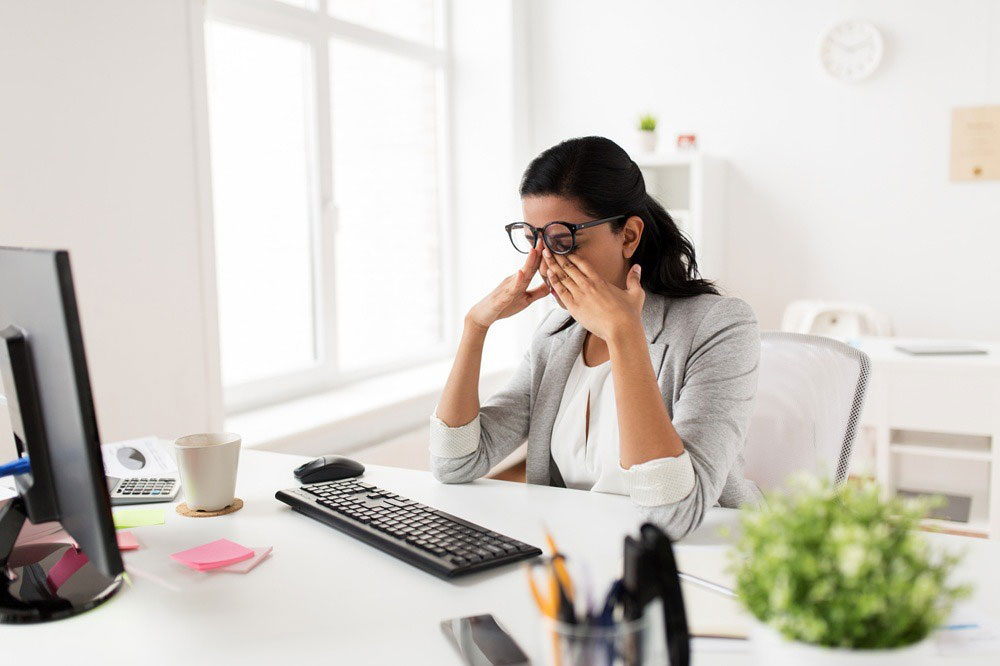
Workplace anxiety refers to the anxiety that is triggered by various causes related to work. It can severely affect performance, and more importantly, mental health. The blog explains how to identify and deal with it.
Studies indicate that a large proportion of India’s young workforce experiences anxiety related to work. One research puts this number at 90% i.e., 90% of young Indians (below 25 years of age) working corporate jobs experience workplace anxiety. The number is concerning and definitely has to be addressed.
Identifying Workplace Anxiety
Stress at work happens to everyone. Once the stressor is dealt with, the stress goes away. But if you happen to experience stress constantly while at work, and it prevents you from leading a normal life, you could possibly be suffering from workplace anxiety. The anxiety typically sets in by Sunday evening when you think of the week ahead, and your mood changes. The first thing to understand is that you are not alone. As is obvious from the above-mentioned statistics, workplace anxiety is at an all-time high and it needs to be addressed. Otherwise, it could affect career, and more importantly, mental well-being. However, there are strategies that can be put into place to tackle workplace anxiety. It is necessary to note that though termed workplace anxiety, the anxiety is not confined to the physical workplace. People working from home can experience it too – it is more about the stress that the work brings on in the form of deadlines, presentations, travel, etc.Workplace Anxiety or Generalized Anxiety Disorder?
How do you know if the anxiety symptoms you are experiencing are the result of your work or because of mental health condition. Here are a few pointers to help you identify workplace anxiety: In contrast, with generalized anxiety disorder, the feelings of anxiety are always present irrespective of work situations, weekdays or weekends.Symptoms of Workplace Anxiety
People who have workplace anxiety usually display the following symptoms. Physical symptoms too may manifest:Causes of Workplace Anxiety
The causes for workplace anxiety differ from person-to-person. Any of the following could bring it on. In some cases, the reasons for workplace anxiety could stem from something deeper, like a traumatic experience from the past. People having pre-existing anxiety disorders are also more prone to workplace anxiety.You Can Overcome Workplace Anxiety
Workplace anxiety can feel overwhelming but there are a lot of strategies that will help manage and overcome it. Remember that there is no right or wrong time to get professional help. There is no set rule which dictates you require professional help only if you are unable to go about your normal life. If you feel you need help, all you have to do is reach out for it.How Can Employers Help?
Employees may not feel comfortable approaching managers when they are dealing with workplace anxiety. But even if they do not approach, there are certain things that can be done to help employees.Facing Anxiety at Work? Here Are the Most Asked Questions
What is workplace anxiety?
Workplace anxiety refers to the persistent stress, worry, or nervousness linked specifically to work-related tasks, environments, or expectations. It often shows up as dread before workdays, especially on Sundays, and can affect both mental and physical well-being.
How is workplace anxiety different from generalized anxiety disorder (GAD)?
Workplace anxiety usually appears during work hours or in anticipation of work, and disappears on weekends or time off. GAD, on the other hand, is a constant feeling of anxiety that affects all areas of life, not just work.
What are common symptoms of workplace anxiety?
Symptoms include low motivation, difficulty focusing, avoiding meetings, headaches, nausea, sweaty palms, and muscle tension. Many also feel physically unwell or anxious when thinking about work.
What causes workplace anxiety?
Causes can include high-pressure deadlines, toxic work environments, imposter syndrome, lack of support, poor work-life balance, and unsupportive management. Pre-existing mental health issues can increase the risk.
How can I manage or reduce workplace anxiety?
Start by identifying your triggers, taking short breaks, practicing mindfulness or deep breathing, setting clear boundaries, organizing tasks, seeking support from colleagues, and balancing work with enjoyable personal activities.
Can remote workers experience workplace anxiety too?
Yes, workplace anxiety isn't limited to physical offices. Remote workers can also experience it due to workload, isolation, unclear expectations, or pressure to stay constantly available.
When should I seek professional help for workplace anxiety?
If workplace anxiety is affecting your daily life, relationships, or well-being—even mildly—it’s okay to seek help. You don’t need to hit a crisis point. Mental health support can help you build resilience and find healthy coping strategies.