The Sandwich Generation: Caught in the Middle
- Nov 28, 2025
 Overview:
The sandwich generation is a fast-growing demographic which is facing significant financial as well as mental stress. The blog explains everything there is to know about the sandwich generation, and also gives some useful coping strategies for the challenges faced by this section of the population.
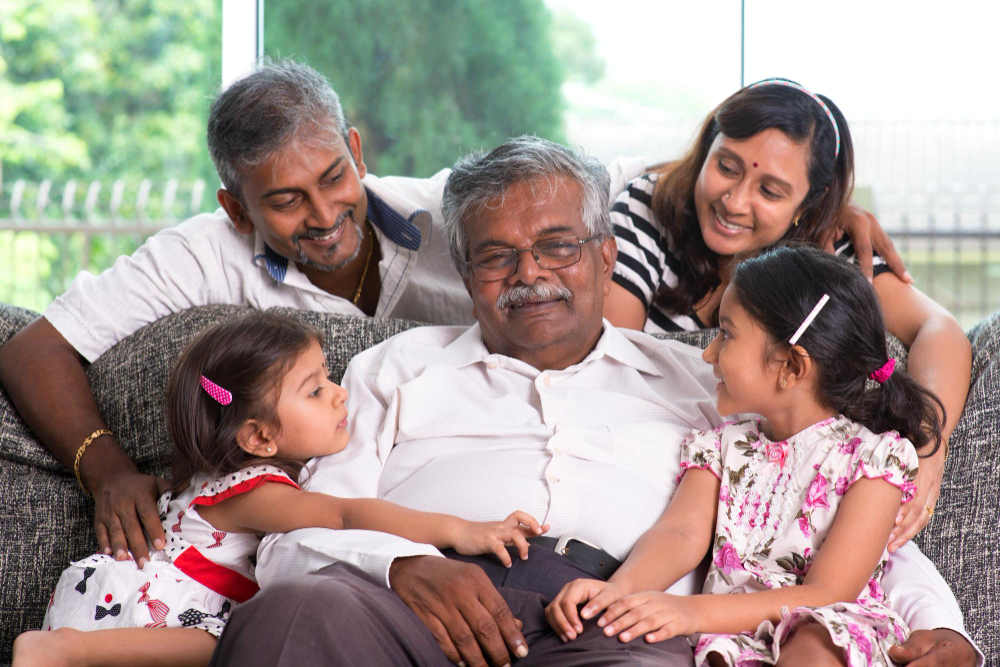
As the name suggests, the term sandwich generation refers to those adults who are sandwiched or stuck between two (or sometimes more) generations and end up having to take care of both. Usually, these adults fall in the age group of 40-59 years. Primarily, they take care of their aging parents and their children, but in some cases, they even provide support for their grandchildren.
Sandwiched, but Why?
There are three main factors that are responsible for the emergence of the sandwich generation.
- In the beginning of the 20th century, women typically had children in their 20s. But by the end of the 20th century, as priorities changed, childbearing was pushed to 30 years and sometimes even later.
- Medical care improved enabling people to live longer lives. While this increase in lifespan is a global trend, with specific reference to India, this increase has been from around 35 years in the 1950s to around 70 years by 2020.
- Due to economic reasons, young adult children who are navigating the transition from dependence to independence, choose to live with their parents longer, leaving parents with no choice but to continue supporting them.
Challenges Unique to the Sandwich Generation
Adults belonging to this generation are often overwhelmed by the responsibilities facing them. Providing care for children and elderly parents simultaneously is quite a task and often results in these adults ignoring their own well-being.
Caregiver Burnout
- This is a very real possibility with the sandwich generation as caregiving for two generations can exhaust a person.
- It often happens that this generation has to emotionally support elderly parents who are dealing with the physical and mental aspects of aging, while also having to look after their children.
- Further, caring for two generations results in the adults of the sandwich generation feeling that they are not doing a good job at either, leaving them with a lot of guilt.
Financial Challenges
- Providing for children’s education and other extracurricular activities while also being required to assist with parents’ medical bills can financially squeeze this generation.
- Studies show that 48% of adults assist their grown children financially, with 27% of adults being their children’s primary source of funds; 25% of adults support their elderly parents with 15% supporting both parents and children financially.
- Sometimes, adults in these situations do end up in debts which can cause them significant mental stress.
Career Impact
- Juggling caregiving responsibilities has many adverse impacts on career.
- Employees’ ability to concentrate while at work may get affected leading to reduced productivity.
- Missing deadlines, arriving late at work, taking time off, etc. due to caregiving may affect the performance of the whole team.
- Employees may pass up opportunities at work as they may doubt their ability to do justice to the part while caregiving.
- They may also postpone further education and skills enhancement.
- Some might switch to part-time jobs or even end up quitting.
Relationship Strain
- Often, elderly caregiving comes at the expense of other relationships.
- For example, a spouse might feel neglected or children may feel they are not receiving enough attention.
- This complicates family dynamics and places additional strain on the caregiver.
Lack of Me-Time
- People from the sandwich generation have to struggle to make time for themselves as they juggle parenting with caregiving.
- They often give up on activities or hobbies they enjoy doing so that they have enough time to care for loved ones.
- Sometimes, even periods of rest are hard to come by – all this often leaves them feeling bitter and sad.
Coping Strategies
Looking after both, children and aging parents, is exhausting. If you are part of the sandwich generation, it is imperative that you take care of yourself.
Here are a few simple strategies that will help you avoid burnout.
- When you are having a busy day, a substantial break during the day might not be possible, but the fact is that even micro-breaks help. Just 5 minutes of breathing exercise can reset your system and help you through the day.
- Have boundaries and understand that it is okay to have them. Only when you take care of yourself will you be in a position to take care of those around you.
- Money is a key stressor so handle money wisely. Ask friends and family to help you with financial planning if you find it difficult.
- There will be difficult days when you lose your cool, or feel guilty about not living up to expectations. Remind yourself that you are doing your best and show yourself some kindness. Practicing self-compassion will greatly reduce the stress you feel.
Remember, You Don’t Have to Face It Alone
Many people hesitate to reach out for help while caregiving as societal perceptions make them believe it is their duty. As a result, they feel guilty about reaching out for help. But the truth is that caregiving is tough and asking for help is the smart thing to do.
Consider the following:
- If you have adolescent children, explain the situation to them. Once they are made aware of the difficulties, children often chip in.
- Ask close family members for help and see if there is any weekly chore that they can take up on a regular basis.
- Search online for emotional support groups. These groups act as safe spaces where you can talk without feeling judged. You can not only learn from other people’s experiences but you will also receive comfort and encouragement from other group members.
- If finances permit, consider professional caregiving services or assisted living. Do remember that transitioning to this does not mean that you have failed in any way – you are simply doing what is best for your loved ones’ safety and well-being.
- Reach out for professional medical help if the emotional burden gets too much.